2026.05.02 (토) 05:59




 닫기
닫기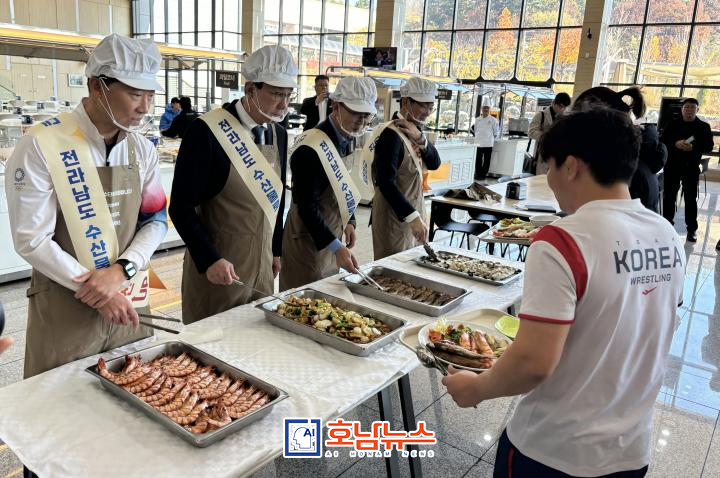 전남 수산물 홍보행사 / 사진제공=전라남도 |
전라남도해양수산과학원(원장 김충남)이 기후변화에 대응한 현장 맞춤형 연구를 통해 참김 신품종 현장시험과 뱀장어 종자생산 등 가시적인 성과를 거두며, 지속가능한 수산혁신의 길을 열고 있다.
과학원은 올해만 144억 원을 투입해 45개 시험·연구사업을 추진하고 있으며, 수온 상승과 어장 환경 변화로 인한 어업인 피해를 최소화하고 미래형 양식 기반을 다지는 데 연구역량을 집중하고 있다.
???? 참김·바다고리풀·뱀장어 등 ‘기후대응 3대 품종’ 육성
올해 대표성과로는 ‘햇바디1호(곱창김)’ 이후 새로운 참김 신품종 현장시험과 더불어, 탄소흡수 능력이 뛰어난 바다고리풀 종자생산 기술을 확보한 점이 꼽힌다.
또한 국내 두 번째로 뱀장어 종자생산에 성공, 고부가가치 양식산업으로의 전환 가능성을 확인했다.
이밖에도 낙지 등 19개 어종, 총 524만 2천 마리를 방류하여 어업인 소득 증대와 수산자원 조성에도 기여하고 있다.
???? 대규모 연구개발(R&D) 본격화… AI·블루카본 기술 접목
전남도해양수산과학원은 올해부터 5년간 총 350억 원을 투입해 ‘지속가능한 우량 김 종자생산 및 육상양식기술개발’ 사업을 추진 중이다.
또한 전복·김 양식장을 대상으로 AI 기반 어장공간활용 플랫폼 구축사업(345억 원 규모)도 병행하며, 디지털 기술과 생태기반 양식기술을 결합한 미래형 수산 모델을 제시하고 있다.
이와 함께 2026년 신규 연구사업 공모에서 3건, 7억 2천만 원의 국비를 확보했으며, 추가 예산 확보를 위해 산·학·연 공동 TF팀을 구성해 국가 공모형 R&D사업 유치에도 나섰다.
???? 어업인과 함께하는 ‘현장 중심 연구’
과학원은 연구성과를 어업현장과 공유하기 위해 매년 12월 연구성과 보고회를 열어 외부 자문위원과 어업인의 의견을 반영한 정책을 마련하고 있다.
또한 9개 지원과 6개 연구소·관을 중심으로 기후변화 대응 신품종 개발, 수산자원 조성, 양식기술 보급 등을 현장에서 직접 수행하며 어업인의 신뢰를 얻고 있다.
???? “기후변화 대응, 전남 바다의 미래를 지키겠다.”
김충남 전남도해양수산과학원장은 “급변하는 기후환경 속에서 블루카본 양식품종 개발, 재해 피해 최소화 기술, 고·저수온에 강한 품종 육성 등 수산연구의 패러다임을 전환하겠다.”며 “전남 어업인이 기후위기 속에서도 안정적 소득을 유지하도록 최선을 다하겠다.”고 밝혔다.
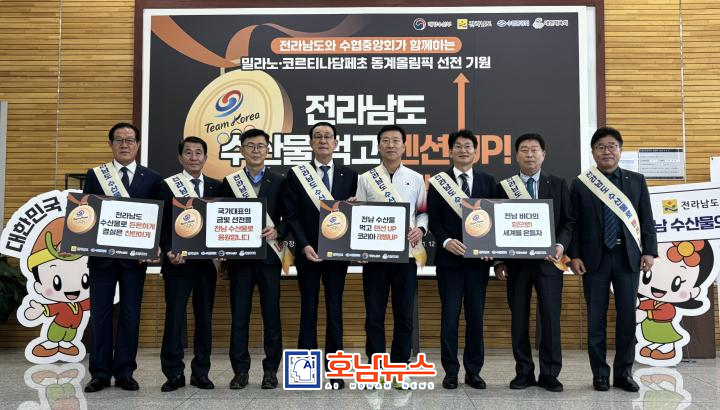 전남 수산물 홍보행사 / 사진제공=전라남도 |
[Jeonnam = News Channel] newscheaner@kakao.com
“Jeonnam Cultivates the Future of the Sea!”
Jeonnam Institute of Marine and Fisheries Science Achieves Success in Seed Production of Laver and Eel —
144 Billion KRW Invested to Launch ‘Climate-Responsive Fisheries Innovation’
The Jeonnam Institute of Marine and Fisheries Science (Director Kim Chung-nam) is opening a new era of sustainable fisheries innovation through field-oriented research designed to tackle climate change. The institute has achieved visible outcomes, including the on-site trial of a new laver (Porphyra) variety and the successful seed production of Japanese eel.
This year alone, the institute has invested 144 billion KRW across 45 experimental and research projects, focusing on minimizing damage to fishermen caused by rising seawater temperatures and changing marine environments, while laying the groundwork for future-oriented aquaculture.
???? Cultivating Three Core Climate-Resilient Species: Laver, Sea Cordgrass, and Eel
Among this year’s key achievements are the on-site testing of a new laver variety following Haetbadi No.1 (curly laver) and the successful development of seed production technology for sea cordgrass (Spartina) — a marine plant with excellent carbon-absorption capacity.
In addition, the institute has achieved Korea’s second-ever successful seed production of Japanese eel, confirming the potential for a high-value aquaculture industry.
The institute has also released 5.24 million fish and shellfish from 19 species, including octopus, to help boost fishermen’s income and restore marine resources.
???? Large-Scale R&D Underway — Integrating AI and Blue Carbon Technologies
Starting this year, the institute is implementing a five-year, 35-billion KRW project titled “Development of Sustainable High-Quality Laver Seed Production and Land-Based Aquaculture Technology.”
Simultaneously, it is carrying out a 34.5-billion KRW project to establish an AI-based marine farm spatial management platform for abalone and laver farms, combining digital innovation with eco-friendly aquaculture practices to present a model for future fisheries.
The institute also secured 7.2 billion KRW in national funds for three new research projects scheduled to begin in 2026 and formed a joint industry-academia-government TF team to attract additional national R&D programs in marine and fisheries science.
???? Field-Centered Research with Fishermen
To share research outcomes directly with the fishing community, the institute hosts an annual research achievement conference every December, gathering external experts and fishermen to discuss policy directions and practical improvements.
Its nine divisions and six research centers are actively engaged in developing new climate-resilient species, enhancing marine resource restoration, and disseminating advanced aquaculture technologies, earning the trust of fishermen throughout Jeonnam Province.
???? “Safeguarding the Future of Jeonnam’s Seas Against Climate Change”
Director Kim Chung-nam stated,
“As climate conditions continue to change rapidly, we will shift the paradigm of fisheries research toward developing blue-carbon aquaculture species, minimizing disaster damage, and cultivating varieties resilient to both high and low water temperatures. We are committed to ensuring that Jeonnam’s fishermen maintain stable livelihoods even amid the climate crisis.”
 박인석 기자 newscheaner@kakao.com