2026.05.02 (토) 00:50




 닫기
닫기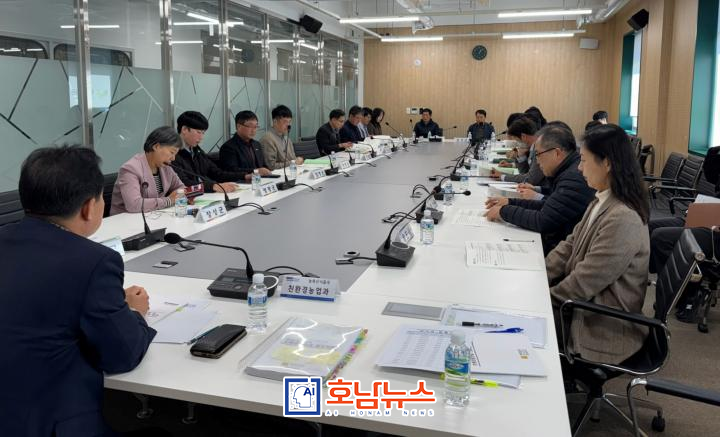 친환경농산물 인증대책회의/ 사진제공=전라남도 |
전라남도의 친환경농업이 15년 만에 반등했다.
전남도는 올해 친환경농산물 인증 면적이 지난해보다 증가한 것으로 나타남에 따라 인증 취소를 최소화하기 위한 ‘친환경농산물 인증대책 회의’를 최근 전남도농업기술원에서 개최하고 주요 위험요인 점검과 대책 마련에 나섰다.
전남도에 따르면 10월 말 기준 도내 친환경농산물 인증 면적은 3만5,328ha로, 지난해 말(3만4,294ha)에 비해 1,034ha 늘었다.
이는 2009년 이후 15년 만의 증가로, 친환경농업직불금 단가 인상, 친환경 벼 공공비축미 전량 매입, 쌀 생산 조정제, 신규 재배 확대 등이 영향을 준 것으로 분석된다.
이날 회의에는 도·시군 친환경농업 담당 공무원 30여 명이 참석해 고령화에 따른 노동력 부족, 이상기후, 농약·비료 사용 관리 미흡 등 인증 취소 요인을 집중 점검했다.
취소 사례는 주로 논두렁 제초제 사용, 유기농 재배지 동계작물에 대한 화학비료 살포, 병해충 방제 시 합성농약 사용 등이었다.
전남도는 올해 친환경농업 의무교육, 방제업체 안전성 교육, 공동방제 사전신고제 운영, 드론 방제 교육, 단지 현장점검 강화 등으로 인증 취소 면적이 감소한 것으로 파악하고, 향후 취소 발생을 ‘제로’에 가깝게 줄이기 위한 대응책을 제시했다.
도는 ‘논두렁 조성 효율화 지원사업’ 시범 추진, 유기농 벼 재배필지에 대한 동계작물 화학비료 전면 금지, 녹비작물(자운영·헤어리베치) 공급 확대 등을 통해 현장 관리 수준을 높일 계획이다.
또한 친환경 벼 인증필지의 타인 임대 금지, 친환경 기준에 맞는 유기질비료 및 유기농업자재 사용 준수 등을 농업인에게 재차 안내하고 있다.
생산단계에서는 친환경 육묘상자 처리제 사용, 인증기준에 부합하지 않는 농자재 사용 금지, 출하 전 잔류농약 검사 의무화, 영농 시기별 친환경인증 요건 문자 안내 등 안전성 관리도 강화할 방침이다.
김영석 전남도 친환경농업과장은 “단계적인 인증 취소 방지 대책으로 실행력을 높이고, 단지화·집적화·품목 다양화를 통해 유기농 중심의 친환경농업을 확산하겠다.”며 “소비자가 신뢰할 수 있는 안전한 농산물 생산에 최선을 다하겠다.”고 말했다.
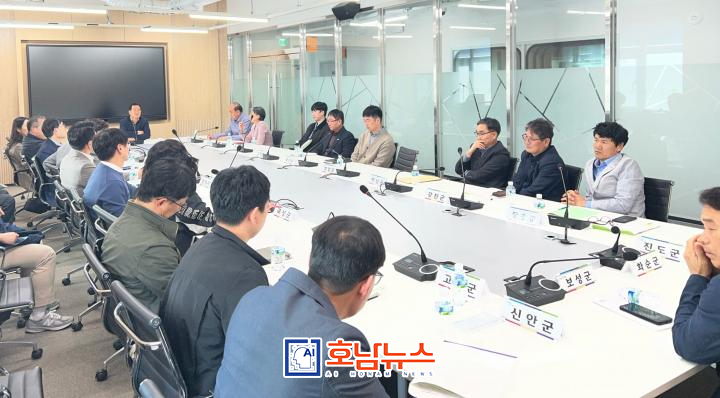 친환경농산물 인증대책회의/ 사진제공=전라남도 |
[Jeonnam = News Channel] newscheaner@kakao.com
Jeonnam’s Eco-Friendly Farming Rebounds After 15 Years… Province Moves to Block Certification Cancellations
Winter crop chemical fertilizer ban, strengthened dike management… Action plans discussed at certification countermeasure meeting
Eco-friendly agriculture in Jeollanam-do has shown a rebound for the first time in 15 years.
The province recently convened an “Eco-friendly Agricultural Product Certification Countermeasure Meeting” at the Jeonnam Agricultural Research & Extension Services, following data indicating that the area certified for eco-friendly agricultural production has increased compared to last year. Officials reviewed key risk factors and discussed strategies to minimize certification cancellations.
According to Jeonnam Province, as of the end of October, the total certified eco-friendly farming area reached 35,328 ha, an increase of 1,034 ha from the end of last year (34,294 ha). This marks the first increase since 2009. The rise is attributed to higher payments for eco-friendly farming direct subsidies, full government purchase of eco-friendly rice for public reserves, the rice production adjustment program, and an increase in new eco-friendly rice cultivation.
More than 30 provincial and municipal officials in charge of eco-friendly agriculture attended the meeting, examining certification cancellation risks caused by labor shortages due to aging, abnormal climate conditions, and improper pesticide and fertilizer management. The most common reasons for certification cancellation were dike herbicide application, chemical fertilizer use on winter crops grown in organic fields, and use of synthetic pesticides during pest control.
The province noted that certification cancellations have decreased this year thanks to strengthened mandatory training for eco-friendly farmers, safety education for pest-control companies, the advance reporting system for joint pest control, drone control training, and intensified on-site inspections of eco-friendly farming complexes. Jeonnam plans to further reduce cancellation cases toward “near zero.”
To prevent cancellations, the province is implementing a pilot project to improve dike management efficiency, banning all chemical fertilizer use on winter crops planted in organic rice fields, and expanding the supply of green manure crops such as Chinese milk vetch and hairy vetch. Farmers are also being reminded of regulations prohibiting the lease of certified eco-friendly rice fields to third parties and the requirement to use only approved organic fertilizers and eco-friendly agricultural inputs.
In the production stage, Jeonnam will reinforce safety management by requiring the use of eco-friendly seedling treatment agents, banning agricultural inputs that do not meet certification standards, mandating pesticide residue testing before shipment, and sending text alerts to farmers with eco-friendly certification requirements by farming period.
Kim Young-seok, Director of Jeonnam’s Eco-friendly Agriculture Division, stated,
“We will increase the effectiveness of cancellation prevention measures through phased implementation and work to expand eco-friendly farming focused on organic production through clustering, consolidation, and diversification of certified items,” adding,
“We will do our utmost to ensure the production of safe, reliable agricultural products that consumers can trust.”
 박인석 기자 newscheaner@kakao.com