| 홍익인간은 순진한 이상이 아니다 ― 힘 없는 선의는 먹잇감이 되고, 약한 국가는 사라진다 ― ai호남뉴스 박충배 편집/칼럼/논설 aihnnewsr@kakao.com |
| 2026년 01월 08일(목) 11:44 |
 |
박충배 편집/칼럼/논설
【칼럼】
힘 없는 선의는 존중받지 못하고, 약한 국가는 보호 대상이 아니라 표적이 되는 세계가 다시 오고 있다.
우리는 너무 오래 홍익인간을 착한 말로만 기억해 왔다.
“널리 인간을 이롭게 한다”는 문장을 힘을 경계하고 갈등을 회피하는 도덕적 선언으로 스스로 축소해 왔다.
힘을 말하면 위험하다고 했고, 갈등을 말하면 야만이라 여겼다.
그러나 세계는 그런 해석을 기다려 주지 않았다.
세계는 이미 힘의 언어로 돌아섰고, 그 결과는 냉정하다. 힘없는 선의는 보호받지 못한다.
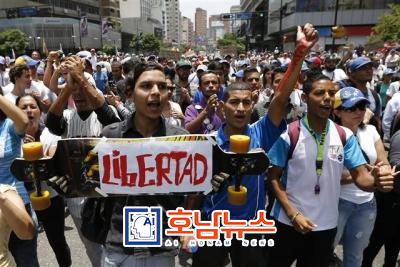 |
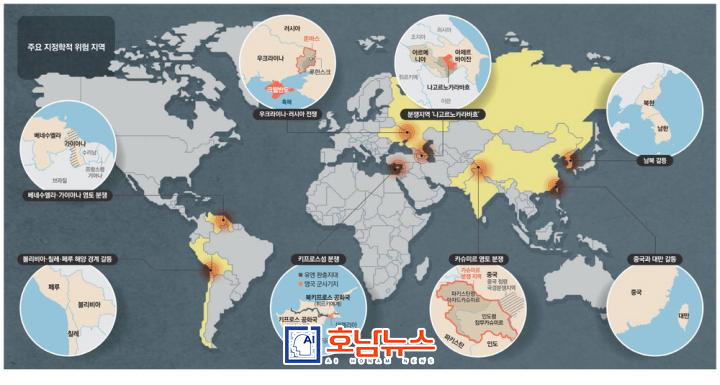
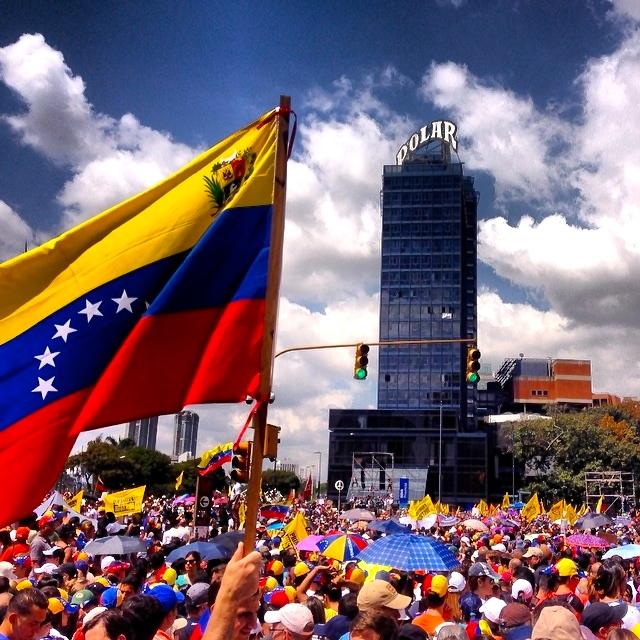
베네수엘라는 경고다.
한때 자원이 풍부했고 국민의식도 뒤처지지 않았던 나라가 국가의 힘을 잃는 순간 어떤 결말을 맞는지 보여 준다.
법은 작동을 멈췄고 정의는 조롱이 되었으며 약자는 보호받지 못했다. 국민은 스스로를 지킬 수 없었고, 국가는 국민을 지킬 능력을 상실했다.
그 사회는 힘 있는 자가 모든 것을 가져가는 구조로 전락했고, 국민은 살아남기 위해 국가를 떠나야 했다. 이것은 체제의 실패가 아니라 힘의 붕괴가 낳은 필연이었다.
2차 세계대전 이후 인류는 힘만으로는 안 된다는 합의를 세웠다.
규칙과 국제질서, 인권과 법이 힘을 제어해야 한다는 약속이었다.
그러나 지금 그 합의는 빠르게 해체되고 있다.
국제법은 선택지가 되었고, 인권은 이해관계 앞에서 밀리며, 강대국은 다시 힘으로 경계를 긋는다.
이제 세계가 던지는 질문은 단순하다.
스스로를 지킬 수 있는가?
이 질문에 답하지 못하는 국가는 동정의 대상이 아니라 관리와 통제, 착취의 대상이 된다.
이 지점에서 홍익인간을 다시 읽어야 한다.
홍익인간에는 분명한 전제가 있다.
이롭게 하려면 능력이 있어야 하고, 보호하려면 힘이 있어야 하며, 나누려면 지킬 수 있어야 한다는 전제다.
홍익인간은 약자의 항변이 아니라 강한 공동체가 스스로에게 부과한 윤리다.
힘없는 도덕은 선언에 그칠 뿐이며, 세계는 선언을 존중하지 않는다.
국가는 선의의 모임이 아니다.
국가는 위기 앞에서 국민을 실제로 지켜내는 생존의 장치다.
평화는 바람에서 오지 않는다.
지킬 수 있을 때만 평화는 유지된다.
정의 역시 분노만으로 실현되지 않는다.
불공정을 제거할 수 있는 국가의 힘이 있어야 한다.
약자는 말로 보호되지 않는다.
재정과 안보, 산업과 기술력이 있을 때만 약자는 보호된다.
홍익인간은 선택지가 아니라 조건이다.
힘을 가질 때만 실천할 수 있는 조건이다.
지금 대한민국 앞에는 두 길이 놓여 있다.
도덕만 외치다 먹히는 나라로 남을 것인가, 아니면 힘을 갖추고 그 힘으로 도덕을 실천하는 나라로 나아갈 것인가.
홍익인간은 분명히 후자를 요구한다.
힘을 갖춘 국가만이 약자를 지키고 국민을 보호하며 미래 세대를 이롭게 할 수 있다.
홍익인간은 힘을 부정하는 철학이 아니다.
오히려 힘없는 이상주의를 가장 냉정하게 경고하는 사상이다.
국가가 약해지면 도덕은 사치가 되고, 국민은 보호 대상이 아니라 먹잇감이 된다.
지금 세계가 보여 주는 현실을 더 이상 외면해서는 안 된다.
 |
[Haenam = Haenam News]
haenamnews@kakao.com
Park Chung-bae | Editor / Columnist / Commentary
Hongik Ingan Is Not a Naïve Ideal
— In a world where powerless goodwill becomes prey, weak states disappear —
A world is returning in which goodwill without power is not respected, and weak states are no longer protected—they become targets.
For too long, we have remembered Hongik Ingan merely as a kind and gentle phrase.
“Benefiting all humankind” was reduced to a moral slogan that avoided power and shunned conflict.
To speak of power was considered dangerous; to acknowledge conflict was dismissed as barbaric.
But the world did not wait for such an interpretation.
It has already returned to the language of power, and the result is stark.
Goodwill without strength is not protected.
Venezuela is a warning.
It shows what happens when a nation that once possessed abundant resources and a capable citizenry loses state power.
Law ceased to function, justice became an object of mockery, and the weak were left unprotected.
Citizens could no longer defend themselves, and the state lost the ability to defend its people.
That society collapsed into a structure where the strong took everything.
Its people fled the country simply to survive.
This was not merely a failure of a system—it was the inevitable consequence of a collapse in national power.
After World War II, humanity forged a consensus: power alone was not enough.
Rules, international order, human rights, and law were meant to restrain power.
But today, that consensus is rapidly unraveling.
International law has become optional.
Human rights retreat before national interests.
Great powers once again draw boundaries through force.
Now the world asks a single, blunt question:
Can you defend yourself?
A nation that cannot answer this question is no longer an object of sympathy.
It becomes an object of management, control, and exploitation.
This is where we must reread Hongik Ingan.
Embedded within it is a clear premise:
to benefit others requires capability;
to protect requires power;
to share requires the strength to defend what is shared.
Hongik Ingan is not the plea of the weak.
It is an ethic imposed by a strong community upon itself.
Morality without power remains only a declaration—and the world does not respect declarations.
A state is not a gathering of goodwill.
It is a survival mechanism that must actually protect its people in times of crisis.
Peace does not arise from wishes.
Peace exists only when it can be defended.
Justice, too, is not realized by anger alone.
It requires the power of the state to eliminate injustice.
The weak are not protected by words.
They are protected only when there is fiscal strength, security capability, industrial capacity, and technological power.
Hongik Ingan is not a choice.
It is a condition—one that can be practiced only when power exists.
Today, South Korea stands at a crossroads.
Will it remain a nation that speaks only of morality and is ultimately consumed?
Or will it become a nation that possesses power and uses that power to practice morality?
Hongik Ingan clearly demands the latter.
Only a strong state can protect the weak, safeguard its citizens, and benefit future generations.
Hongik Ingan does not reject power.
On the contrary, it is a philosophy that offers the coldest warning against powerless idealism.
When a state weakens, morality becomes a luxury.
Its people cease to be protected citizens and become prey.
We must no longer avert our eyes from the reality the world is now showing us.
 ai호남뉴스 박충배 편집/칼럼/논설 aihnnewsr@kakao.com