| “총이 아니라 빛으로 나라를 지켜온 국민” 대한민국 국민, 노벨평화상 후보로 추천해야 한다. ai호남뉴스 박충배 편집/칼럼/논설 aihnnewsr@kakao.com |
| 2026년 02월 20일(금) 17:30 |
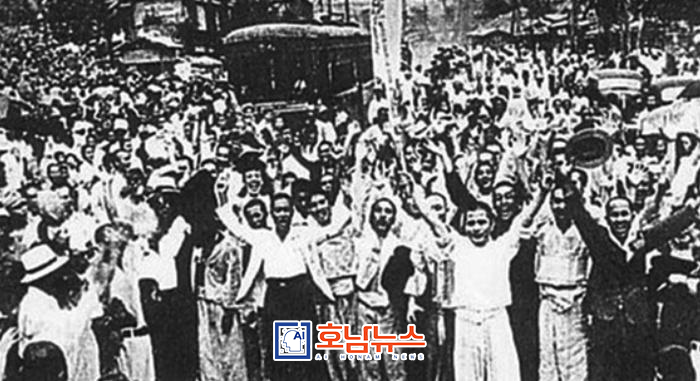 1919년 3월 1일 독립만세 운동 / 사진제공=호남뉴스 |
【기획보도】
정권이 흔들릴 때마다, 국난이 닥칠 때마다, 공동체가 무너질 위기에 놓일 때마다 마지막까지 나라를 붙든 것은 이름 없는 민초들이었다.
지금 일부 세계 정치학자들 사이에서 ‘대한민국 국민’을 집단적 노벨평화상 후보로 추천해야 한다는 의견이 나오고 있는 이유는 결코 감성적 주장 때문이 아니다.
대한민국은 400년 넘는 시간 동안, 반복적으로, 그리고 세계적으로 보기 드문 방식으로 나라를 지켜왔기 때문이다.
그 방식은 총이 아니라 시민이었다.
폭력이 아니라 연대였다.
어둠이 아니라 빛이었다.
1592년 임진왜란.
조정은 무너졌고 국왕은 피란길에 올랐다.
그러나 나라는 끝내 무너지지 않았다.
농민이, 상인이, 유생이, 승려가 스스로 무기를 들었다.
의병이 일어났다.
국가가 붕괴되는 순간, 백성이 국가가 되었다.
이 ‘민병의 DNA’는 사라지지 않았다.
1919년 3·1 운동.
맨손의 시민들이 태극기를 들고 대한독립만세를 외쳤다.
총칼 앞에서도 비폭력을 선택했다.
이 운동은 임시정부 수립으로 이어졌고, 한국 독립운동은 세계사 속 비폭력 저항의 한 장면으로 기록됐다.
1960년 4·19 혁명.
부정선거에 분노한 학생들이 거리로 나섰고, 독재 정권은 무너졌다.
총성이 아니라 시민의 외침이 권력을 교체한 사건이었다.
1980년 5·18 광주민주화운동.
군부 쿠데타에 맞선 광주의 시민들은 고립된 도시에서 민주주의를 지켰다.
그들의 희생은 1987년 6월 민주항쟁으로 이어졌고, 대통령 직선제를 쟁취했다.
대한민국의 민주주의는 권력이 내려준 선물이 아니었다.
피와 눈물, 그리고 시민의 결단이 만든 결과였다.
2016년, 수백만 개의 촛불이 광장을 메웠다.
폭력은 없었다. 약탈도 없었다.
박근혜 대통령 탄핵은 헌정 절차에 따라 이뤄졌다.
세계는 이 장면을 주목했다.
어떤 국가는 전차로 정권을 교체하고, 어떤 국가는 총성으로 혁명을 기록한다.
대한민국은 촛불로 권력을 교체했다.
최근의 정치적 위기 국면에서도 마찬가지였다.
시민은 분열 대신 질서를 선택했고, 폭력 대신 법과 제도를 통해 국가의 균형을 지켰다.
대한민국은 ‘빛으로 위기를 넘긴 나라’다.
국난은 민주화 운동에만 있었던 것이 아니다.
1997년 외환위기 당시, 국민은 금반지와 돌반지를 내놓았다.
나라의 빚을 갚겠다며 스스로 참여한 금모으기 운동은 세계를 놀라게 했다.
2007년 허베이 스피리트호 기름 유출 사고 당시, 서해안에는 100만 명이 넘는 자원봉사자가 모였다.
검은 기름을 닦아낸 것은 정부가 아니라 국민의 손이었다.
대한민국은 위기 앞에서 분열이 아니라 연대를 선택해왔다.
이것이 이 나라의 힘이다.
노벨평화상은 특정 정치인만을 위한 상이 아니다.
평화를 만들어낸 집단적 힘, 비폭력으로 질서를 지켜낸 시민사회도 그 대상이 될 수 있다.
대한민국 국민은 수차례 증명했다.
권력이 흔들릴 때, 나라를 구하는 것은 언제나 국민이었다는 사실을.
이제 세계는 묻고 있다.
이처럼 반복적으로, 자발적으로, 평화적으로 민주주의를 지켜낸 국민 공동체가 또 어디에 있는가.
대한민국 국민을 노벨평화상 후보로 추천하자는 움직임은 정치적 이벤트가 아니다.
이것은 대한민국 민주주의 400년 역사를 국제사회에 정당하게 평가받자는 제안이다.
지역 시민사회와 학계, 언론이 함께 나서
학자 추천, 국제 서명운동, 영문 백서 발간, 자발적 후원 캠페인을 추진한다면 이 운동은 특정 정파를 넘어 대한민국의 자부심이 될 수 있다.
우리는 이미 증명해왔다.
총이 아니라 빛으로, 폭력이 아니라 연대로, 권력이 아니라 국민의 힘으로, 이 나라를 지켜왔다는 것을.
대한민국의 진짜 영웅은 이름 없는 시민이다.
노벨평화상은 한 사람의 이름이 아니라
‘대한민국 국민’이라는 이름으로 불려야 한다.
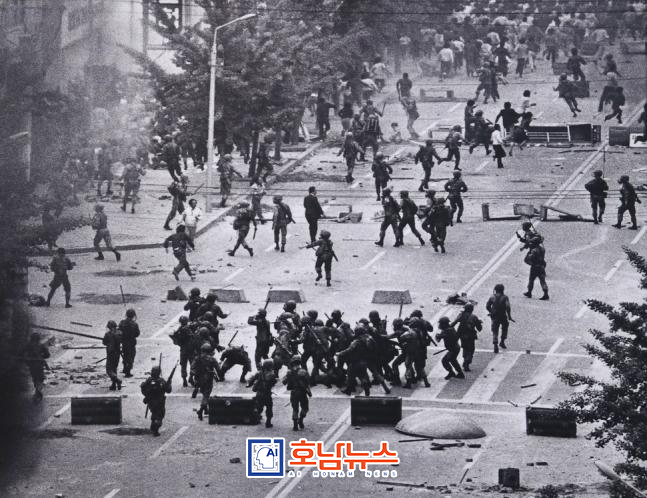 5.18 광주민주화운동 / 사진제공=호남뉴스 |
[Jeonnam = Honam News] aihnnews@kakao.com
【Feature Report】
“A Nation Defended Not by Guns, but by Light”
The People of the Republic of Korea Should Be Nominated for the Nobel Peace Prize
The history of the Republic of Korea has not been written by those in power, but by its people.
Whenever regimes trembled, whenever national crises struck, whenever the community stood on the brink of collapse, it was ordinary citizens—nameless and unarmed—who held the nation together.
Today, some political scholars around the world are suggesting that “the People of the Republic of Korea” should be nominated collectively for the Nobel Peace Prize. This is not a sentimental argument. It is grounded in historical fact.
For more than 400 years, the Korean people have repeatedly defended their country in a manner rarely seen in world history.
Their method was not the gun, but the citizen.
Not violence, but solidarity.
Not darkness, but light.
In 1592, during the Imjin War, the royal court collapsed and the king fled. Yet the nation did not fall.
Farmers, merchants, scholars, and monks took up arms voluntarily. Civilian militias rose. At the very moment the state crumbled, the people became the state.
That “civic defense DNA” did not disappear.
In 1919, during the March First Movement, unarmed citizens waved the Korean flag and cried out for independence. Facing bayonets and rifles, they chose nonviolence. The movement led to the establishment of the Provisional Government of Korea and became a historic example of peaceful resistance in global history.
In 1960, the April 19 Revolution saw students take to the streets in protest against electoral fraud. A dictatorship fell—not by gunfire, but by the voices of citizens.
In 1980, during the Gwangju Democratization Movement, the citizens of Gwangju resisted a military coup in an isolated city. Their sacrifice paved the way for the June Democratic Uprising of 1987, which achieved direct presidential elections.
Korean democracy was not handed down by those in power.
It was built by blood, tears, and civic resolve.
In 2016, millions filled public squares holding candles.
There was no violence. No looting.
The impeachment of former President Park Geun-hye proceeded through constitutional procedures.
The world watched.
Some nations change power with tanks. Others record revolutions with gunfire.
South Korea changed power with candlelight.
Even in more recent political crises, citizens chose order over division, law over chaos. They preserved constitutional balance not through force, but through civic responsibility.
South Korea is a nation that has overcome crises with light.
National crises were not limited to democratic movements.
During the 1997 Asian financial crisis, citizens donated their gold—wedding rings, heirlooms, personal savings—to help repay national debt. The Gold Collection Campaign astonished the world.
In 2007, during the Hebei Spirit oil spill, more than one million volunteers gathered along Korea’s western coast. It was not merely the government that cleaned the blackened shores—it was the hands of the people.
Time and again, when confronted with crisis, South Korea chose unity over division.
This is the nation’s true strength.
The Nobel Peace Prize is not reserved solely for individual political leaders. It may also recognize collective civic power—communities that have safeguarded peace and democracy through nonviolence.
The Korean people have demonstrated repeatedly that when power falters, it is the citizens who save the nation.
Now the world asks:
Where else can we find a people who have, time and again, defended democracy voluntarily, peacefully, and collectively?
The movement to nominate the People of the Republic of Korea for the Nobel Peace Prize is not a political event. It is a proposal to have 400 years of democratic resilience properly recognized by the international community.
If civil society, academia, and the media unite—
if scholars submit formal nominations,
if international petitions are launched,
if English-language white papers are published,
if voluntary support campaigns are organized—
this effort can transcend political divisions and become a matter of national pride.
We have already proven it.
Not with guns, but with light.
Not with violence, but with solidarity.
Not with power, but with the strength of the people.
The true heroes of the Republic of Korea are its ordinary citizens.
The Nobel Peace Prize should not bear the name of one individual.
It should be called, simply and honorably:
“The People of the Republic of Korea.”
 ai호남뉴스 박충배 편집/칼럼/논설 aihnnewsr@kakao.com