2026.04.25 (토) 21:10




 닫기
닫기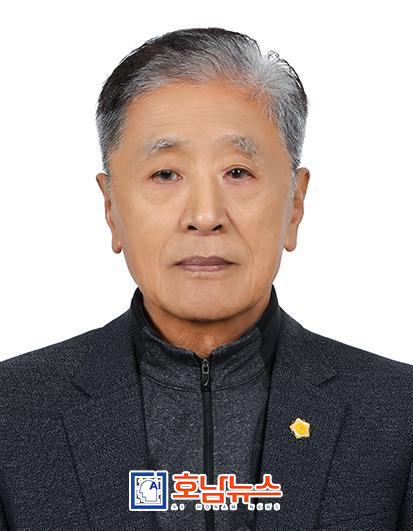 AI호남뉴스 박충배 편집/칼럼/논설 |
박충배 편집/칼럼/논설
【사설】
공동선언, 특별법, 지방선거 일정까지 내걸며 “이번에는 다르다”고 말한다. 그러나 우리는 이미 알고 있다.
대통합은 선언으로 성공한 적이 한 번도 없다는 사실을. 통합은 미사여구의 문제가 아니다.
이것은 누가 무엇을 얻고, 누가 무엇을 감내할 것인가에 대한 냉혹한 손익계산의 문제다.
이를 외면한 통합은 또 한 번의 정치 이벤트로 끝날 뿐이다.
광주가 통합을 말하는 이유는 분명하다.
광주는 더 이상 도시 내부에서 성장할 수 없다.
산업 부지는 포화됐고, 에너지·물류·대규모 연구개발 공간은 턱없이 부족하다.
AI·미래차·에너지 산업을 말하면서도, 실제로 펼칠 공간은 도시 외곽에서조차 찾기 어렵다.
그래서 광주에게 전남은 협력 대상이 아니라 ‘확장 공간’이다.
산단, 에너지, 물류, 공항, 교통을 하나의 권역 전략으로 묶지 않으면
광주는 수도권과의 경쟁에서 더 이상 버틸 수 없다.
광주 입장에서 통합은 선택이 아니라 생존 전략이다.
그러나 동시에 광주 시민이 가장 두려워하는 것도 분명하다.
“광주 예산이 전남으로 빠져나가는 것 아니냐”는 불안, “광주 중심성이 약화되는 것 아니냐”는 위상 공포다.
이 불안을 해소하지 못하는 통합은 광주 시민의 동의를 절대 얻지 못한다.
전남이 통합을 말하는 이유 또한 분명하다
전남은 넓다. 그러나 힘이 분산돼 있다.
22개 시·군은 각각 살아남기 위해 애쓰지만, 중앙정부와 대기업의 눈에는 ‘하나의 시장’으로 보이지 않는다.
광주와의 통합은 전남에게 인구, 정치력, 시장 규모를 한 단계 끌어올릴 수 있는 카드다.
광주에 집중된 대학·병원·연구기관·문화 인프라는 전남이 단독으로는 갖기 어려운 자산이다.
통합이 제대로 설계된다면, 전남은 광주의 인프라를 ‘공유 자산’으로 만들 수 있다.
그러나 전남의 공포 역시 뚜렷하다.
통합이 곧 ‘광주 중심 흡수’로 변질될 수 있다는 불안이다.
청사, 예산, 공공기관, 정책 우선순위가 광주로 쏠리는 순간 전남의 시·군, 특히 농산어촌은 주변부로 밀려난다.
전남이 원하는 것은 통합이지 종속이 아니다.
그래서 묻는다. 이 통합은 누구를 위한 것인가
통합 논의에서 가장 부족한 것은 조건이다.
“하겠다.”는 말은 넘치지만, “어떻게 나눌 것인가”에 대한 문서는 비어 있다.
청사는 어디에 둘 것인가.
의회와 핵심 공공기관은 어떻게 분산할 것인가.
예산은 어떤 공식으로 배분할 것인가.
농산어촌 최소 몫은 어떻게 보장할 것인가.
공항·교통·산단 같은 갈등 사안은 누가 책임지고 정리할 것인가.
이 질문에 답하지 못한 채 밀어붙이는 통합은 결국 강한 지역만 이익을 보고, 약한 지역만 희생하는 구조로 귀결된다.
해남을 포함한 전남 서남권은 특히 더 예민해야 한다.
해남, 완도, 진도 같은 전남 서남권은 통합의 명분 아래 가장 쉽게 ‘뒤로 미뤄질 수 있는 지역’이다.
“권역 전체를 키우면 자연히 혜택이 온다”는 말은 그동안 수없이 반복돼 왔다.
그러나 결과는 어땠는가.
대형 사업은 늘 중심으로 갔고,
변두리는 늘 다음 순서였다.
대통합이 또다시 광주 중심 개발과 전남 주변화의 구조를 반복한다면 그것은 통합이 아니라 재편이라는 이름의 희생 강요다.
통합의 성패는 한 문장으로 정리된다.
“정부는 커져야 하지만, 권력과 예산은 더 잘게 나뉘어야 한다.”
광주·전남 대통합이 성공하려면 권한 집중이 아니라 내부 분권이 전제돼야 한다.
하나의 정부 아래, 여러 중심이 존재해야 한다.
그렇지 않다면 이 통합은 또 하나의 거대한 구호로 기록될 뿐이다.
우리는 더 이상 구호에 속을 여유가 없다.
이번 통합은 찬반의 문제가 아니라 조건의 문제다.
그 조건이 명확해질 때까지, 의문을 제기하는 것이 지역 언론의 책무다.
해남뉴스는 묻는다.
이 통합의 이익은 어디에 쌓이고, 그 비용은 누가 감당하게 되는가.
그 질문에 답하지 못하는 통합은 아직 시작할 자격이 없다.
광주와 전남의 통합 논쟁 / 사진제공=호남뉴스 |
[Jeonnam/Haenam = Haenam News]
haenamnews@kakao.com
Park Chung-bae | Editor / Columnist / Editorial
Editorial
Gwangju–Jeonnam Grand Integration: Face the ‘Balance Sheet’ Wrapped in the Name of Hope
Discussion of a grand administrative integration between Gwangju and Jeonnam has once again entered a period of rapid momentum.
With joint declarations, a special law, and even the timing of local elections placed on the table, proponents insist, “This time will be different.”
But we already know the truth.
No grand integration has ever succeeded by declaration alone.
Integration is not a matter of rhetoric or slogans.
It is a cold calculation of who gains what, and who is asked to bear the cost.
An integration that ignores this reality will end as nothing more than yet another political event.
Why Gwangju Speaks of Integration Is Clear
Gwangju can no longer grow within its own urban boundaries.
Industrial land is saturated, and space for energy infrastructure, logistics, and large-scale R&D is severely lacking.
While the city speaks of AI, future mobility, and energy industries, there is scarcely room—even on the outskirts—where these visions can actually take shape.
For Gwangju, Jeonnam is not merely a partner for cooperation, but an “expansion space.”
Unless industrial complexes, energy, logistics, airports, and transportation are integrated into a single regional strategy,
Gwangju cannot withstand competition with the Seoul metropolitan area.
From Gwangju’s perspective, integration is not a choice—it is a strategy for survival.
Yet the fears of Gwangju’s citizens are equally clear.
Anxiety that “Gwangju’s budget will flow out to Jeonnam,”
and fear that “Gwangju’s central status will be weakened.”
An integration that fails to address these concerns will never secure the consent of Gwangju’s citizens.
Why Jeonnam Also Speaks of Integration Is Just as Clear
Jeonnam is vast—but its power is fragmented.
Each of its 22 cities and counties struggles to survive on its own,
yet to the central government and major corporations, Jeonnam does not appear as a single, unified market.
Integration with Gwangju offers Jeonnam a chance to elevate its population scale, political influence, and market size by one level.
Universities, hospitals, research institutions, and cultural infrastructure concentrated in Gwangju are assets Jeonnam cannot easily build alone.
If integration is properly designed,
Jeonnam can turn Gwangju’s infrastructure into shared regional assets.
But Jeonnam’s fear is also unmistakable.
The fear that integration could devolve into Gwangju-centered absorption.
The moment administrative headquarters, budgets, public institutions, and policy priorities tilt toward Gwangju,
Jeonnam’s cities and counties—especially rural and fishing communities—are pushed to the margins.
What Jeonnam seeks is integration, not subordination.
So We Ask: Who Is This Integration Really For?
What is most lacking in the integration debate is conditions.
Statements of “we will do it” abound,
but documents explaining “how resources and power will be shared” are empty.
Where will the administrative capital be located?
How will the assembly and key public institutions be distributed?
By what formula will budgets be allocated?
How will a minimum share for rural and fishing communities be guaranteed?
Who will take responsibility for resolving conflicts over airports, transportation, and industrial complexes?
An integration pushed forward without answers to these questions will inevitably result in a structure where
strong regions gain, and weaker regions are sacrificed.
Southwestern Jeonnam, Including Haenam, Must Be Especially Vigilant
The southwestern Jeonnam region—Haenam, Wando, Jindo—is the area most easily pushed “to later” under the banner of integration.
The phrase “if the entire region grows, benefits will naturally follow” has been repeated countless times.
But what have the results been?
Large-scale projects always went to the center.
The periphery was always told to wait.
If this grand integration once again reproduces a structure of Gwangju-centered development and Jeonnam’s marginalization,
it is not integration—it is forced sacrifice disguised as reorganization.
The Success or Failure of Integration Can Be Summed Up in One Sentence
“Government may grow larger, but power and budgets must be divided more finely.”
For Gwangju–Jeonnam integration to succeed,
internal decentralization—not concentration of authority—must be the premise.
Under one government, multiple centers must coexist.
Otherwise, this integration will be recorded as yet another grand slogan—and nothing more.
We no longer have the luxury of being deceived by slogans.
This integration is not a matter of support or opposition; it is a matter of conditions.
Until those conditions are made clear,
raising questions is the duty of local journalism.
Haenam News asks:
Where will the benefits of this integration accumulate,
and who will ultimately bear its costs?
An integration that cannot answer this question
is not yet qualified to begin.
 ai호남뉴스 박충배 편집/칼럼/논설 aihnnewsr@kakao.com